 blog
7 Alternatives to Standard Real Estate Photography
Table of Contents
- Why Sellers and Agents Look Beyond Standard Real Estate Photography
- The Alternative Media Menu: Seven Formats Compared
- Real Estate Drone Photography: Aerial Imagery That Ground Photos Miss
- Real Estate Video Tours: Walkthroughs That Show Flow and Scale
- 3D Virtual Tours for Real Estate: Let Buyers Walk the Property Remotely
- AI Real Estate Photo Editing: Stretch a Standard Shoot Further
- Virtual Staging and Enhanced Imagery: Accuracy and Disclosure Rules
- Matching the Format to the Property and the Audience
- Frequently Asked Questions
Last Updated: October 21, 2026
Why Sellers and Agents Look Beyond Standard Real Estate Photography
Standard listing photos do one job well: they show a room. They rarely show why a buyer should care about the property behind it. That gap is why so many sellers and agents now treat real estate photography as one item on a media menu rather than the whole meal.
The alternatives in this guide exist to answer those second questions. Below, we break down seven formats, what each one costs in effort and money, and which property types actually justify the spend. But first, here's what most guides get wrong: they compare photography to video as if one replaces the other. It doesn't. Each format solves a different buyer objection, and the right listing often uses two or three together.
The Alternative Media Menu: Seven Formats Compared
Standard listing photos are still the baseline, but seven alternatives now sit alongside them: aerial drone imagery, video walkthroughs, 3D virtual tours, AI-assisted photo editing, virtual staging, enhanced twilight or seasonal imagery, and hybrid packages that blend several formats. Each one trades cost and production effort for a different kind of buyer confidence.
Most guides compare these formats in isolation or treat video as a straight replacement for stills. That framing misses the point. Each format answers a different buyer objection, and the strongest listings combine two or three. The table below maps the trade-offs at a glance, including typical production effort, relative cost, turnaround, and the disclosure or accuracy considerations that apply.
| Format | Production Effort | Relative Cost | Typical Turnaround | Equipment / Provider Needed | Best Buyer Objection It Solves | Disclosure Notes |
|---|---|---|---|---|---|---|
| Aerial drone imagery | Low to moderate | Moderate | Often 24-72 hours | FAA Part 107 certified pilot, insured drone | "What's the lot, roof, and setting really like?" | None beyond standard listing accuracy |
| Video walkthrough | Moderate to high | Higher | Several days to a week | Videographer, gimbal, lighting, editing | "How does the space flow?" | Avoid sped-up or distorted footage that misrepresents scale |
| 3D virtual tour | High (on-site scan) | Higher | Several days | 3D camera system and hosting platform | "Can I tour this without flying in?" | Label as a virtual tour; keep measurements accurate |
| AI photo editing | Low | Low | Same day to 24 hours | Editing software or service | "Why do these photos look flat or cluttered?" | Do not remove defects a buyer would see in person |
| Virtual staging | Low to moderate | Moderate | 24-48 hours | Staging software or service | "I can't picture furniture in here" | Clearly label as virtually staged |
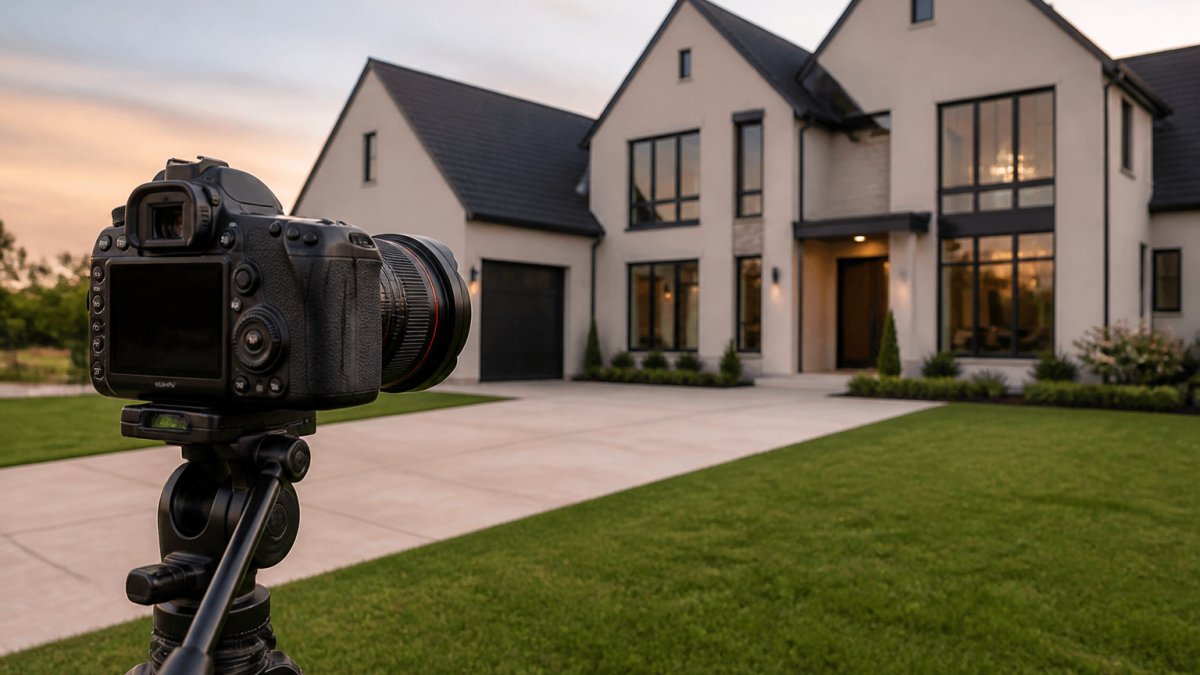
| Twilight or seasonal enhancement | Low | Low to moderate | Same day to 48 hours | Editing software or service | "Does this exterior have curb appeal?" | Do not fabricate sky or season conditions that mislead |
| Hybrid media package | Moderate | Highest | One to two weeks | Multiple providers coordinated | "I need the full picture before I commit" | Apply each format's disclosure rules individually |
Cost, Effort, and Marketing Impact by Format
Pricing for every one of these formats varies by market, property size, and turnaround time, so treat any single number you see online with suspicion. What stays consistent is the effort-to-impact ratio. AI editing and twilight enhancement cost little and lift perceived quality fast. Virtual tours and video walkthroughs cost more and take longer to produce, but they carry the most weight with out-of-area buyers who cannot visit in person.
A practical way to decide: match the format to the size of the buyer pool. A local starter home draws foot traffic, so editing and staging usually earn their keep. A rural parcel or a property marketed to remote buyers justifies the heavier formats. The table above is a starting point, not a rulebook, the next section turns it into a property-by-property decision guide.
Real Estate Drone Photography: Aerial Imagery That Ground Photos Miss
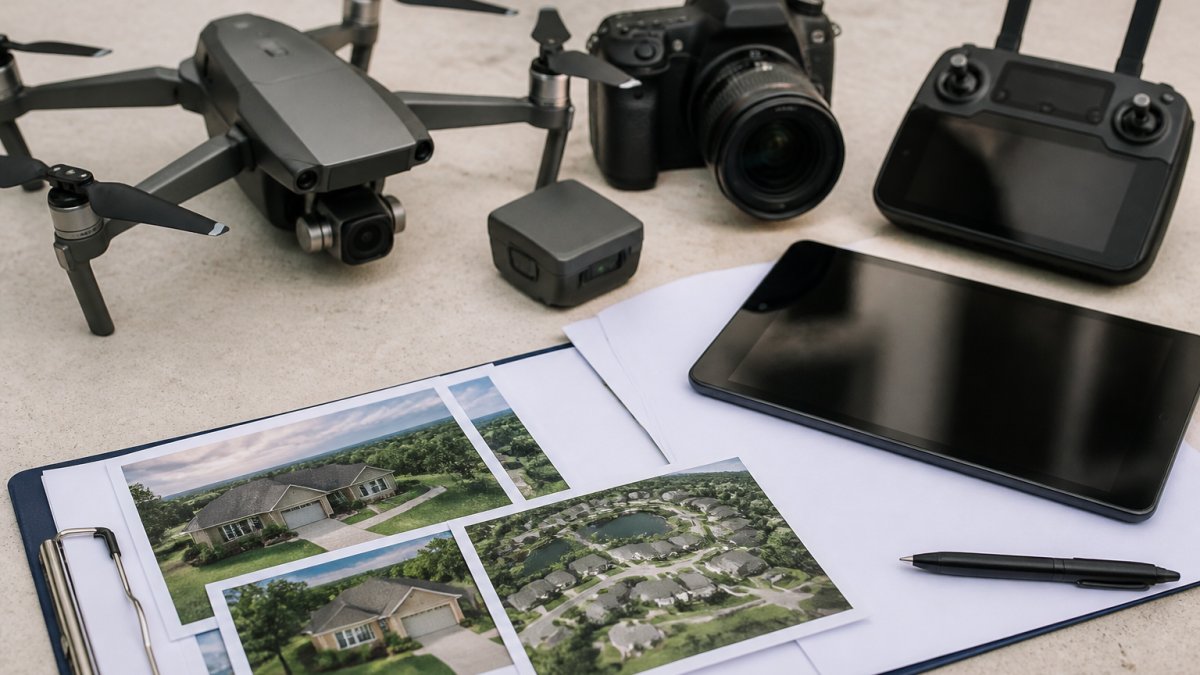
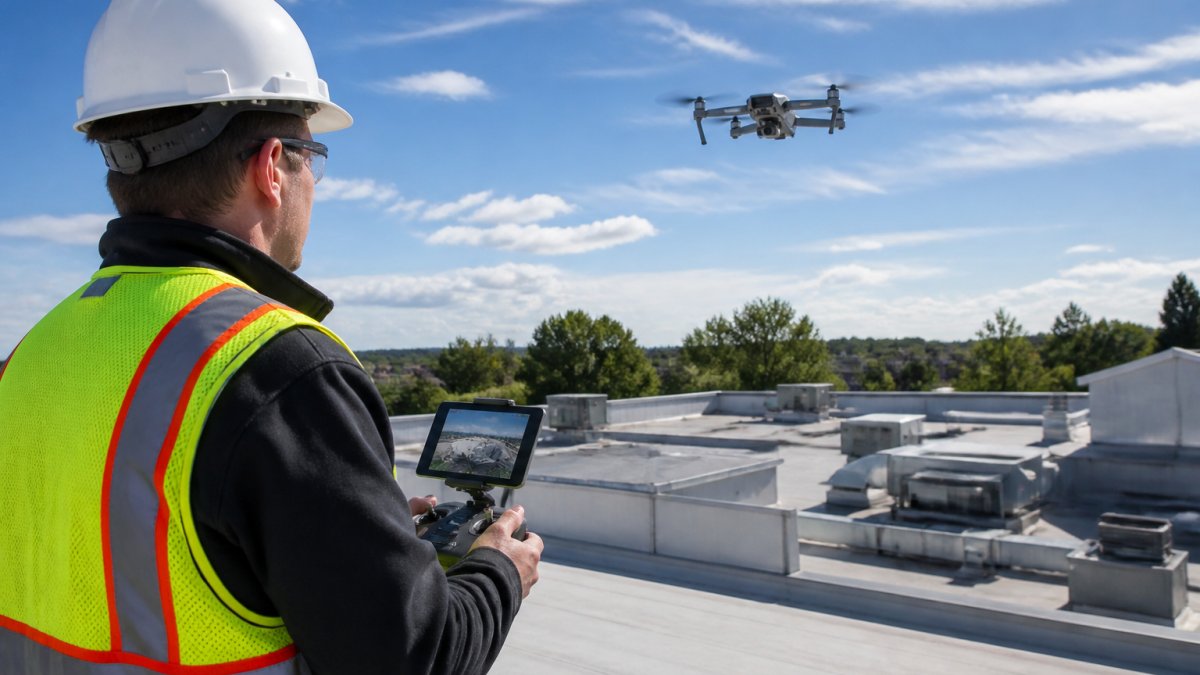
Real estate drone photography is aerial imagery captured by a licensed drone operator to show a property's lot lines, roof condition, and surroundings from above.
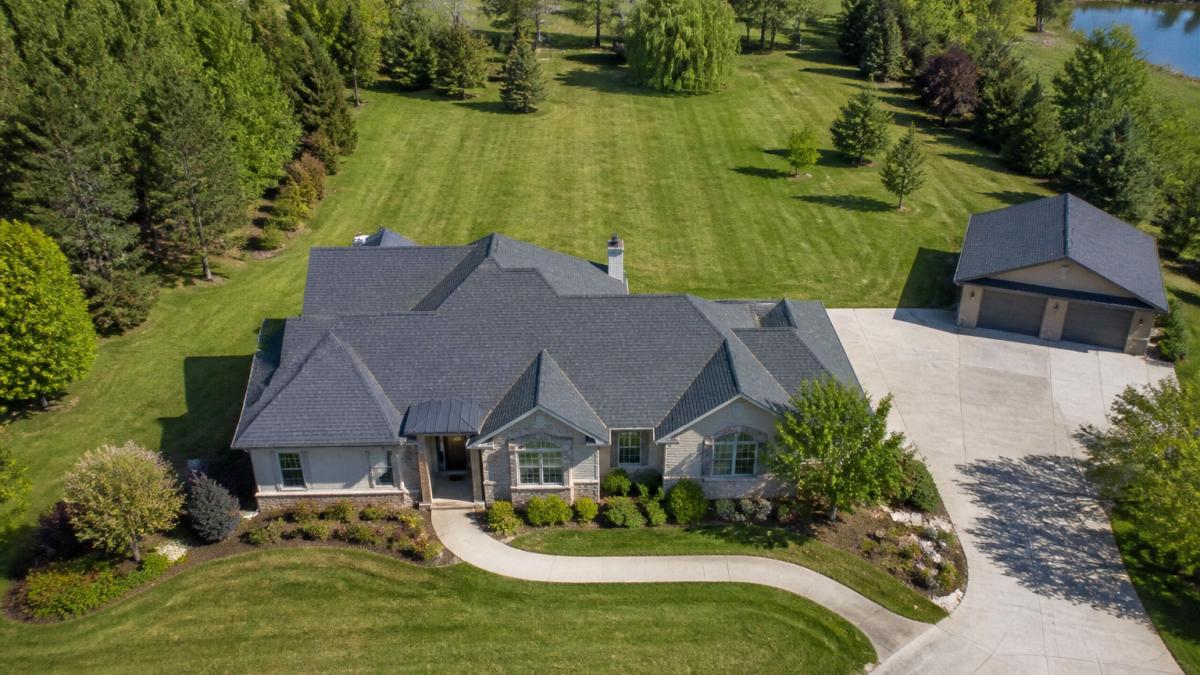
For sellers with acreage, odd lot shapes, or a property near water or woods, aerial shots often do more selling than any interior photo. Our FAA Part 107 certified pilots capture this imagery and deliver it within 24 hours, which matters when a listing goes live on a deadline.
Real Estate Video Tours: Walkthroughs That Show Flow and Scale
Video walkthroughs are the closest thing to a live showing without the drive. They work best for larger homes, open floor plans, and properties where the layout is the selling point. A well-shot walkthrough shows how rooms connect, how light moves through the house, and how the outdoor space ties in.
The trade-off is production time and cost. Video takes longer to shoot and edit than stills, and quality varies wildly between providers. If your listing already has strong stills, a short walkthrough can fill the gap. If it doesn't, fix the photos first.
3D Virtual Tours for Real Estate: Let Buyers Walk the Property Remotely
A 3D virtual tour is a navigable, room-by-room digital model of a property that lets buyers move through the space on their own. It is the strongest format for remote buyers and relocation clients who need to narrow their list before booking a flight.
Production requires an on-site scan, so effort and cost run higher than stills or drone work. The payoff is serious buyer engagement: prospects arrive at showings already familiar with the layout. For vacant properties, a virtual tour also keeps the listing active and viewable between showings.
AI Real Estate Photo Editing: Stretch a Standard Shoot Further
AI real estate photo editing uses software to correct color, straighten vertical lines, brighten dark rooms, remove clutter, and batch-process an entire shoot. It doesn't replace a photographer, but it rescues a mediocre set of photos and makes a good set look professional.
Common fixes include:
- Color correction and white balance for accurate room tones
- Object removal for cords, trash cans, and stray items
- Sky replacement for overcast exterior shots
- Batch editing to keep a full gallery consistent
The mistake most agents make is over-editing. A photo that looks nothing like the actual property erodes trust the moment a buyer walks in. Edit for accuracy, not fantasy.
Virtual Staging and Enhanced Imagery: Accuracy and Disclosure Rules
Virtual staging adds digital furniture to photos of empty rooms. Enhanced imagery covers related techniques like twilight conversions and seasonal adjustments. Both are legitimate marketing tools, and both carry accuracy obligations.
The rule is simple: disclose it. The FTC's guidance on deceptive advertising applies to real estate marketing, and a virtually staged photo presented as if the furniture were physically there can mislead buyers. Label staged images clearly, keep room dimensions accurate, and never digitally remove a defect that a buyer would notice in person.
Matching the Format to the Property and the Audience
The right format depends on two variables: the property and the buyer. Most guides stop at a checklist. A decision guide is more useful, because the same property can call for different media depending on who is likely to buy it and how they will shop. Use the property-type guidance below, then layer the audience considerations on top.
By Property Type
- Luxury homes. Buyers expect a full media package. Pair professional stills with a video walkthrough and aerial imagery, and add a 3D tour when the property is marketed to remote or international buyers. Virtual staging is common for vacant luxury listings but must be labeled.
- Rentals and small multifamily. Turnover speed matters more than prestige. Edited stills plus a short walkthrough usually outperform expensive 3D scans, and virtual staging helps renters picture furniture in empty units.
- Vacant properties. Empty rooms read as smaller and colder in photos. Virtual staging with clear disclosure and a 3D tour keep the listing viewable between showings and help remote buyers commit.
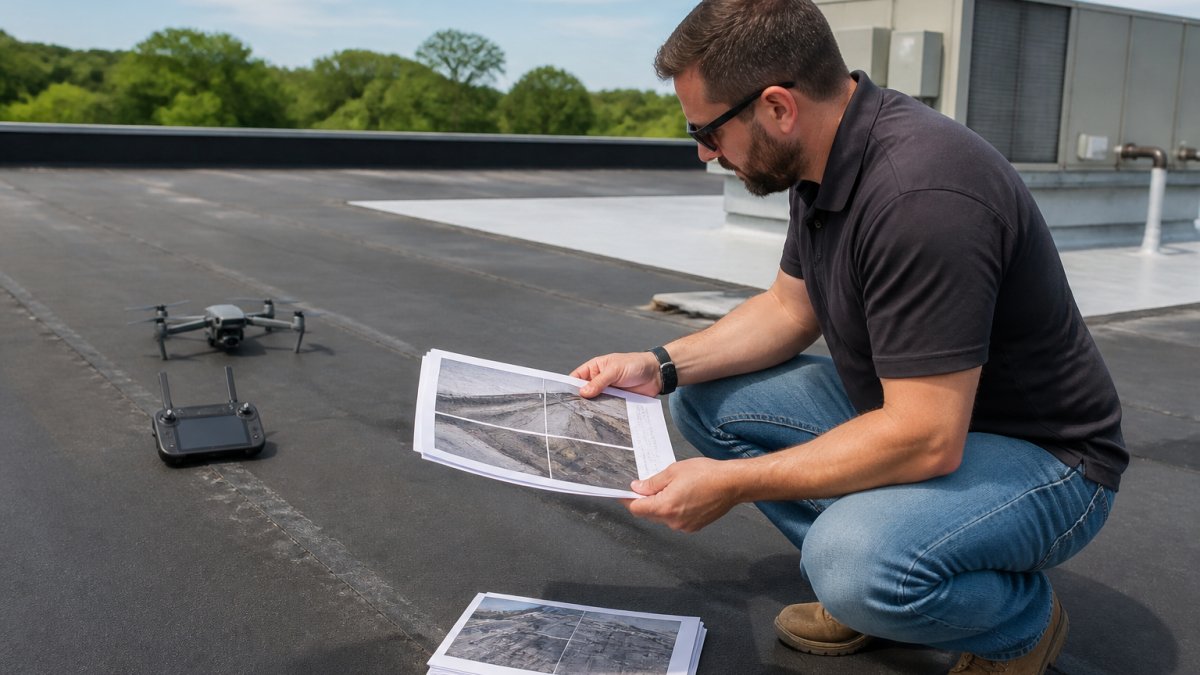
- Acreage, waterfront, and unusual lots. Aerial drone imagery is close to mandatory. Ground photos cannot show usable land, lot lines, roof condition, or proximity to water and woods, and buyers of these properties ask those questions first.
- New construction. 3D tours and video walkthroughs let buyers see finished spaces before models are ready, and aerial imagery shows site context and lot placement.
- Older or cosmetically dated homes. AI editing and twilight enhancement lift perceived quality without misrepresenting condition. Avoid heavy object removal that hides maintenance issues.
By Audience
- Local foot-traffic buyers. Editing and staging earn their keep because buyers will visit in person. Heavy remote formats often do not pay back.
- Remote and relocating buyers. 3D tours and video walkthroughs carry the most weight. These buyers narrow their list before booking travel, and a navigable tour keeps the property in contention.
- Investors and out-of-state owners. Aerial imagery, accurate roof and square-footage reporting, and a virtual tour let investors evaluate without a site visit.
- Luxury and second-home buyers. Expect a hybrid package. A single format reads as underinvestment at this price point.
A Quick Decision Checklist
- Does the property have acreage, water access, or unusual lot lines? Add aerial drone imagery.
- Is the layout the main selling point? Add a video walkthrough.
- Are buyers likely to be remote or relocating? Add a 3D virtual tour.
- Are the photos flat, dark, or cluttered? Start with AI-assisted editing.
- Is the property vacant? Consider virtual staging with clear disclosure.
- Does the exterior lack curb appeal in photos? Try twilight or seasonal enhancement.
For most listings, the strongest result comes from pairing two formats. Aerial imagery plus edited stills covers setting and interior quality in one package. Video plus a virtual tour covers flow and remote access. Match the pair to the buyer's biggest hesitation, and the marketing spend lands where it actually moves decisions.
Frequently Asked Questions
What are the best alternatives to standard real estate photography?
The main alternatives are real estate drone photography, video walkthroughs, 3D virtual tours, AI-assisted photo editing, virtual staging, and smartphone or DIY shoots. Each serves a different purpose: aerial imagery shows lot size and surroundings, video tours convey flow, 3D tours let remote buyers explore at their own pace, and editing stretches a standard shoot further. The right pick depends on property type, price point, and how much production effort you can absorb before the listing goes live.
How does real estate drone photography help market a property?
Aerial imagery shows things ground photos cannot: lot boundaries, roof condition, proximity to water or roads, and the surrounding neighborhood. For rural parcels, acreage, and waterfront homes, that context often decides whether a buyer clicks. FAA Part 107 certified operators can legally fly commercial missions and deliver high-resolution images, and many include roof reports with square footage. Pricing depends on property size, flight time, and delivery speed, so request a quote for the specific listing.
Are real estate video tours more effective than listing photos?
They answer different questions. Photos show how a room looks; video tours show how it flows, how rooms connect, and how big spaces feel in motion. Video tends to perform better for higher-priced homes, unique layouts, and out-of-state buyers who cannot visit easily. Photos remain the workhorse for search results and thumbnails. Many agents use both: stills for the listing gallery and a short walkthrough for the marketing email and social posts.
What is the difference between a 3D virtual tour and a video walkthrough?
A video walkthrough is a fixed path: the viewer watches what the camera captured, in the order it was shot. A 3D virtual tour is interactive, letting the buyer move room to room, look around, and measure spaces at their own pace. Video is faster and cheaper to produce; 3D tours take longer to capture and process but give remote buyers more control. For vacant homes and out-of-state buyers, the interactive format often reduces wasted showings.