 comparison
7 Alternatives to Manual Construction Site Inspections
Last Updated: October 23, 2026
Quick Summary
Alternatives to manual construction site inspections include inspection software like Procore, GoAudits and Fieldwire, drone documentation, DroneDeploy, photo documentation workflows, third-party remote review, hybrid in-person plus digital checks, and checklist-first digital processes. Most teams do best pairing scheduled aerial documentation for site-wide progress with digital checklists, keeping in-person review for structural and life-safety items.
- Inspection software digitizes checklists, attaches photos to locations and generates reports automatically.
- Lake County Aerial Solutions flies FAA Part 107 certified missions and delivers drone data within 24 hours.
- Set a fixed flight cadence and keep the same altitude and angle for true progress comparison.
- A digital checklist needs a pass/fail state, required photo and location tag per item.
- A Cal Poly study found four of five surveyed home builders viewed virtual inspections as less accurate.
Table of Contents
- Why Teams Are Moving Away From Manual Construction Site Inspections
- Comparison Table: Alternatives to Manual Inspections at a Glance
- Construction Inspection Software: Procore, GoAudits, and Fieldwire
- Drone Construction Site Monitoring With Lake County Aerial Solutions
- Building a Construction Site Inspection Checklist That Works Digitally
- Construction Progress Tracking: DroneDeploy and Photo Documentation
- Implementation Challenges and What the Research Says About Accuracy
- Conclusion
- Frequently Asked Questions
Why Teams Are Moving Away From Manual Construction Site Inspections
Manual construction site inspections are the traditional walk-the-site process where a superintendent or third-party inspector physically visits a job site to record conditions, verify progress, and document issues by hand. That model is under pressure. Schedules compress, crews work across multiple sites, and remote stakeholders want answers without a two-hour drive.
This guide from Lake County Aerial Solutions covers seven alternatives to manual construction site inspections, from full inspection platforms to aerial documentation. Below, we'll show you exactly which option fits which job, what each one costs you in time and money, and where the accuracy trade-offs actually bite.
One finding should shape how you read everything that follows. A California Polytechnic State University study of home builders' perceptions found that four of the five surveyed believed virtual inspections were less accurate than in-person visits (Home Builders' Perception of Virtual Inspections). That's a tiny sample, but it captures the real tension: speed and coverage versus confidence in what you're seeing.
Comparison Table: Alternatives to Manual Inspections at a Glance
The right alternative depends on what you need to capture: structured checklists, location-tagged photos, aerial progress views, or a full project management layer.
| Alternative | Best For | Capture Method | Report Output |
|---|---|---|---|
| Inspection software (Procore, GoAudits, Fieldwire) | Digitizing checklists and sign-offs | Mobile forms, photos | Automated reports |
| Drone documentation (Lake County Aerial Solutions) | Progress tracking and roof data | Aerial photo and video | Roof reports, progress sets |
| DroneDeploy | Aerial data with location-linked photos | Drone + field capture | Automated site reports |
| Photo documentation workflows | Small teams, low budget | Smartphone photos | Manual or templated |
| Third-party remote review | Specialist verification | Submitted photo/video | Consultant notes |
| Hybrid in-person plus digital | High-stakes structural checks | Both | Combined record |
| Checklist-first digital process | Teams new to digital capture | Structured forms | Standardized logs |
Construction Inspection Software: Procore, GoAudits, and Fieldwire
Construction inspection software digitizes the checklist itself, so field teams capture real-time data, attach photos to specific locations, and generate reports automatically. That combination is the core pitch behind tools like Procore, GoAudits, and Fieldwire, which appear repeatedly in comparisons of site inspection apps (DroneDeploy's guide to site inspection tools field teams will use).
Procore leans toward full project management with field documentation built in. GoAudits focuses on the audit and checklist workflow, which suits teams that need consistent, repeatable inspections. Fieldwire sits in the field coordination space and shows up in construction-capture comparisons.
Pros and Cons of Inspection Software
Pros:
- Location-tagged photos create a searchable record of site conditions
- Automated reports cut the paperwork loop after each walk
- Standardized checklists reduce inspector-to-inspector variance
Cons:
- Pricing is quote-based for all three, so budgeting takes a sales call
- Software records what a person on the ground observes, so it does not remove the walk itself
- Adoption depends on crews actually using the app in the field
Drone Construction Site Monitoring With Lake County Aerial Solutions
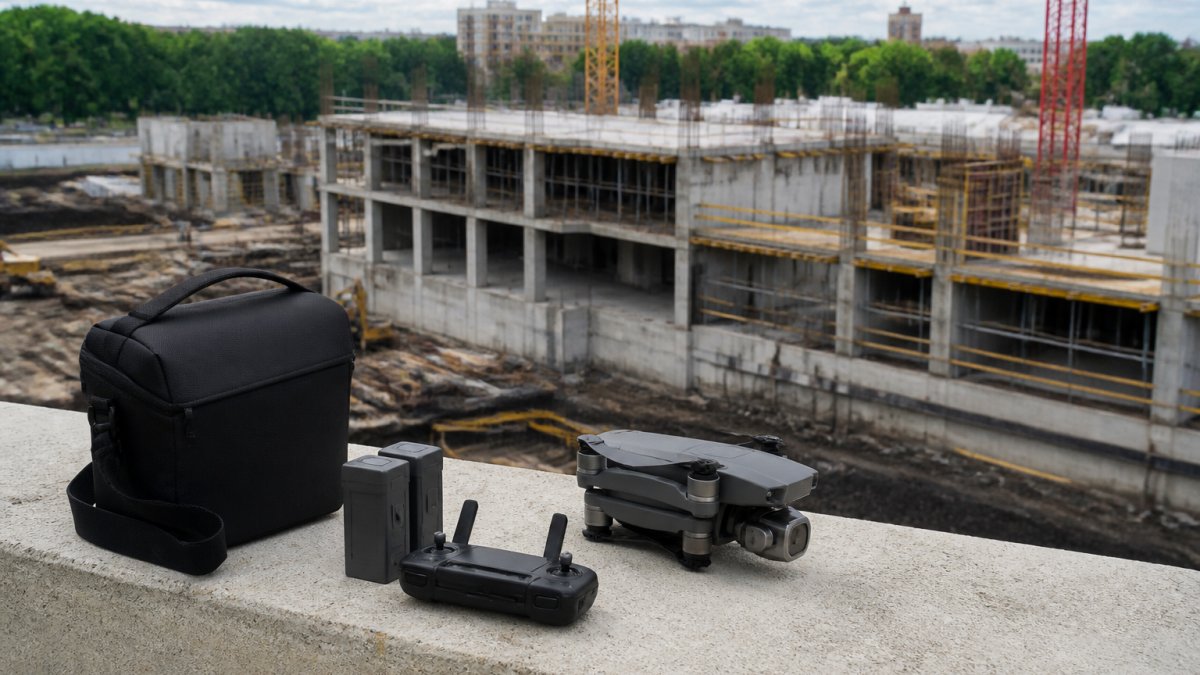
Drone construction site monitoring captures the whole site from above on a repeatable schedule, which makes it the strongest alternative when the question is "what changed since last week" rather than "is this weld to spec." At Lake County Aerial Solutions, we fly FAA Part 107 certified missions with fully insured operations and deliver accurate drone data within 24 hours, using equipment like the DJI Air 3S.
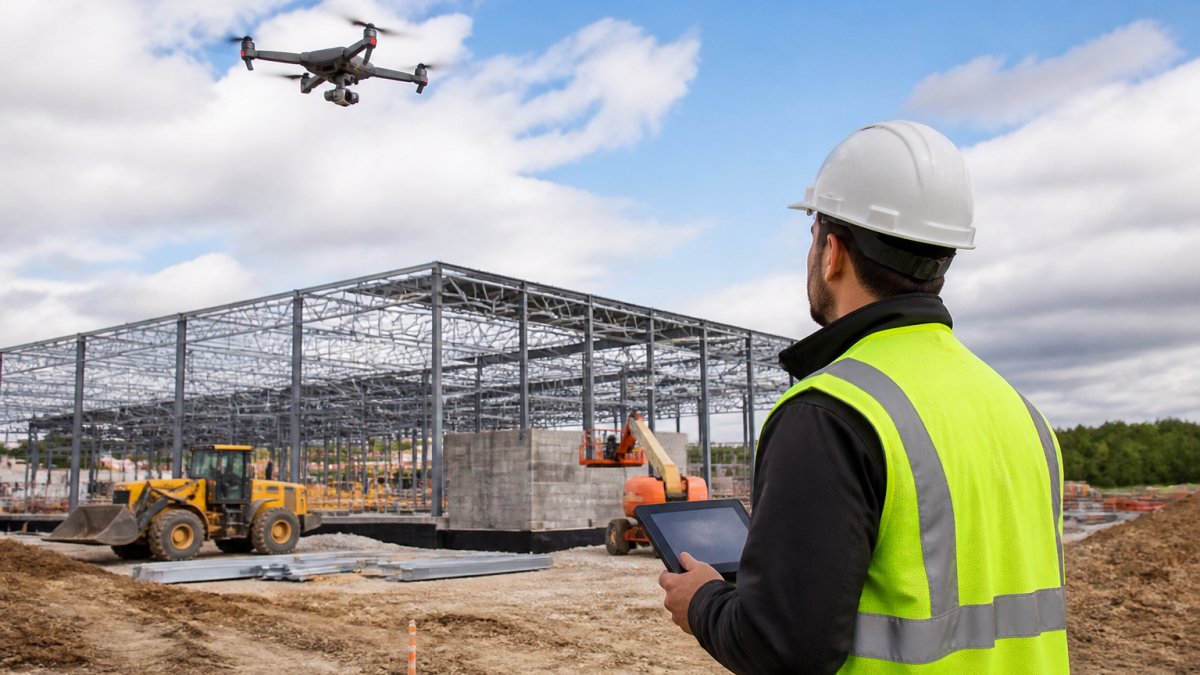
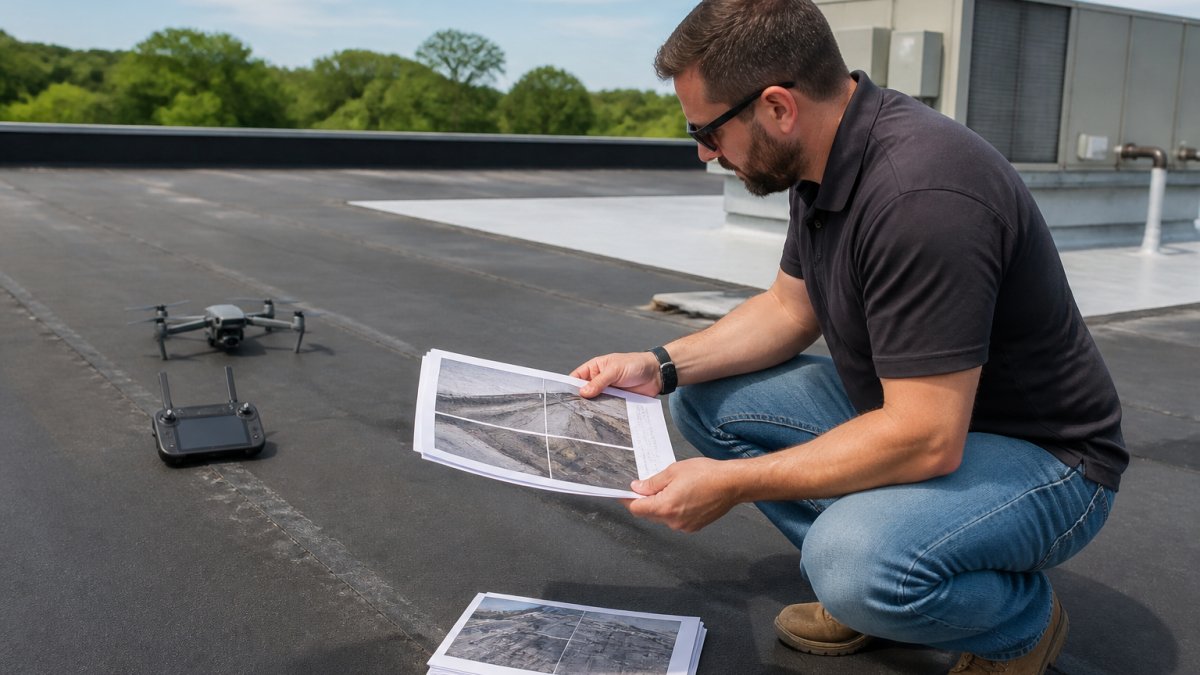
For construction project managers, the practical output is a clear aerial record that tracks job site progress across the whole footprint, not just the corners someone remembered to photograph. We also produce roof reports with square footage and edge measurements, which matters when a roofing scope needs verification before a change order. Pricing depends on site size, flight frequency, and deliverable type, so check our pricing page or request a free quote for current rates.
How Drone Monitoring Compares to Walking the Site
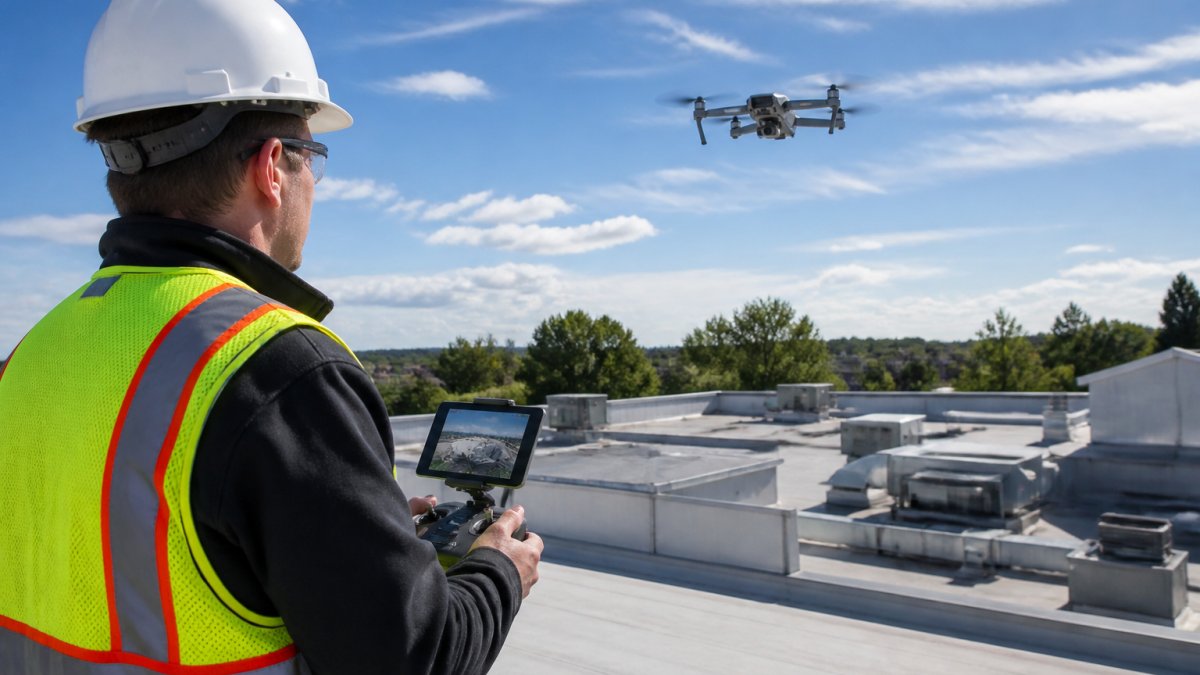
A walk gives you close-up detail and hands-on verification. A drone gives you coverage, consistency, and a timestamped visual record that remote owners and lenders can review without traveling. The honest limitation: aerial imagery shows you the roof and the site layout, not the inside of a wall cavity or the torque on a bolt. Use drones for progress and envelope documentation, and keep in-person checks for structural and life-safety items.
Building a Construction Site Inspection Checklist That Works Digitally
A digital construction site inspection checklist works when each item has a pass/fail state, a required photo, and a location tag. Build it before you shop for software.
- One item per observable condition, not per paragraph of a spec
- Required photo attached to every fail
- Location field on every item (building, floor, grid line)
- Severity rating so critical items surface first
- Timestamp and inspector name locked automatically
- Export format your client or lender will actually accept
- Review step before the report goes out
Construction Progress Tracking: DroneDeploy and Photo Documentation
Construction progress tracking is the practice of capturing site conditions on a fixed schedule so you can compare week to week and prove what was completed when. DroneDeploy supports this by combining aerial imagery with field data capture, letting teams attach photos to specific locations and generate reports automatically, according to the same site inspection tooling guidance (DroneDeploy on site inspection tools).
Photo documentation is the low-cost entry point. A disciplined smartphone workflow, same angles, same days, named consistently, gives small firms a defensible record without a subscription. It falls short on coverage: nobody photographs the far corner of a 20-acre parcel from ground level.
Remote virtual inspections extend this further. Owners or contractors on site send photos, recorded video, or live video to a reviewer elsewhere, a method discussed in SPUR's analysis of virtual construction inspections as a way to speed up verification. The catch is the same one the Cal Poly survey surfaced: reviewers question whether remote methods match in-person accuracy.
Implementation Challenges and What the Research Says About Accuracy
Accuracy skepticism is the main implementation challenge, and it is not irrational. The Cal Poly study's finding that four of five home builders viewed virtual inspections as less accurate than in-person visits should shape how you deploy any alternative: use remote and digital methods for progress, coverage, and documentation, and reserve in-person inspection for structural, life-safety, and code-compliance sign-offs.
The second challenge is workflow. Inspection software only helps if crews capture data in the field, in real time, rather than reconstructing it from memory at the end of the day. The third is data volume: hundreds of location-tagged photos are useless without naming conventions and a review step.
A hybrid model usually wins. Pair scheduled aerial documentation for site-wide progress with digital checklists for close-up verification, then keep a licensed inspector for the items that carry legal weight.
Conclusion
The hard part isn't picking a tool. It's matching each alternative to the question you actually need answered, and accepting that no remote method fully replaces a hands-on structural inspection. Start with a tighter checklist, add aerial documentation for site-wide progress, and keep in-person review where the stakes demand it.
Lake County Aerial Solutions provides FAA Part 107 certified drone documentation with accurate data delivered within 24 hours, fully insured operations, and roof reports with square footage and edge measurements. Request a free quote and get a clear aerial record of your site this week.
Frequently Asked Questions
What are the alternatives to manual construction site inspections?
The main alternatives are construction inspection software (such as Procore, GoAudits, and Fieldwire), drone construction site monitoring, and digital photo documentation tied to specific locations. Each replaces some portion of the walk-the-site routine. Software handles checklists and reporting, drones capture overhead progress and roof conditions, and location-linked photos replace written notes. Most teams combine two or three of these rather than replacing manual inspections entirely.
Can drones be used for construction site inspections?
Yes. Drone construction site monitoring captures aerial imagery of progress, roof conditions, and site conditions that are slow or unsafe to reach on foot. A FAA Part 107 certified operator can document a site in a single flight and deliver imagery within 24 hours. One caveat: a 2021 Cal Poly study found four of five surveyed homebuilders believed virtual inspections were less accurate than in-person ones, so treat drone imagery as a supplement to physical inspection, not a full replacement.
How does drone monitoring help track construction progress?
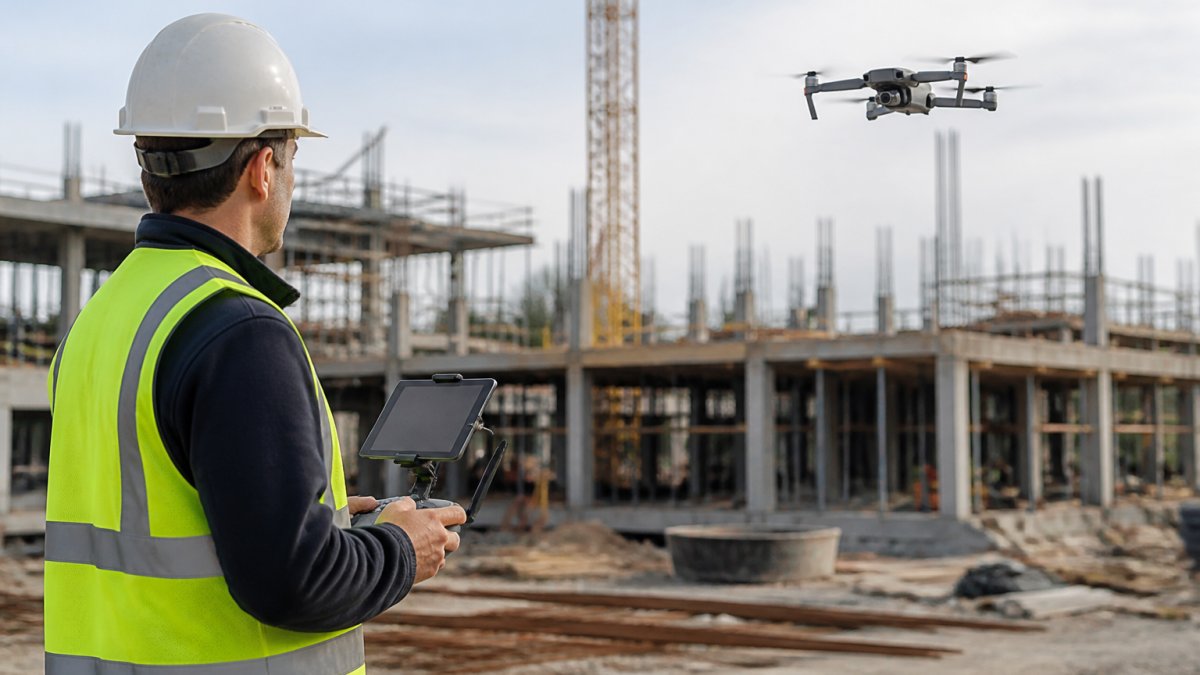
Drone construction site monitoring gives you a consistent overhead view of the same site at regular intervals, which makes change easy to see. Instead of relying on written progress notes, you compare aerial images from week to week and confirm what has actually been built. This is especially useful for remote owners and lenders who cannot visit the site. Lake County Aerial Solutions delivers aerial progress updates within 24 hours so the imagery stays current with the schedule.
What should a construction site inspection checklist include?
A practical construction site inspection checklist covers site safety conditions, structural progress against the schedule, material storage, and documentation of any defects or deviations. In a digital format, each item should link to a photo or location so the record is verifiable. Software like GoAudits and Procore supports checklists with photos attached to specific locations and automatic report generation, which cuts the paperwork that follows a manual walkthrough.
How often should construction sites be inspected?
Frequency depends on project phase and risk. Active construction typically warrants weekly inspections, with daily checks during high-risk activities like framing or crane work. Drone construction site monitoring makes more frequent documentation practical because a single flight captures the whole site quickly. Pairing weekly aerial capture with your existing inspection schedule gives you a visual record that supports construction progress tracking without adding trips to the site.