 how-to
Are Drone Inspections Fully Insured? A 2026 Guide
Table of Contents
- What 'Fully Insured' Actually Means for Drone Inspections
- Understanding Drone Inspection Insurance Coverage
- Verifying a Drone Operator's Certificate of Insurance Before Booking
- FAA Part 107 Insurance Requirements for Commercial Operations
- Drone Inspection Property Damage Coverage: What's Protected and What Isn't
- Liability and Your Responsibilities as the Property Owner
- Your Pre-Inspection Checklist: How to Confirm Coverage Before Work Begins
- Frequently Asked Questions
Last Updated: October 11, 2026
What 'Fully Insured' Actually Means for Drone Inspections
When you hire a drone operator for property inspections, drone inspections fully insured doesn't mean what most people think. It's a combination of specific insurance policies that cover different types of risk, and what's covered depends entirely on the policy details and scope of work.
Fully insured means the drone operator carries commercial liability insurance, property damage coverage, and often cyber liability protection. You must verify exactly what those policies cover before work begins, many property owners assume the operator's insurance protects them automatically, but it doesn't.
Understanding Drone Inspection Insurance Coverage
Commercial drone operators typically carry general liability, hull coverage, and sometimes cyber liability insurance. Understanding what each policy actually covers, and its exclusions, is essential before you sign a contract.
General Liability Insurance covers bodily injury or property damage caused by the drone or operator negligence during the inspection. Limits typically range from $1-$2 million, but exclude: damage to the property being inspected, FAA violations, subcontractor damage, operations outside the policy's geographic area, and intentional acts or gross negligence.
Hull Insurance covers the drone equipment itself if it crashes or is damaged during operation. This protects the operator's investment, not your property. Hull policies typically have a $500-$1,000 deductible and exclude damage from wear and tear, maintenance failures, high-wind conditions above manufacturer specs, and theft.
Professional Liability Insurance (errors and omissions) covers mistakes in inspection reports, data delivery, or analysis. If the operator misses visible damage in their report, this policy may cover a corrected inspection or legal defense. It's increasingly expected by commercial clients.
Cyber Liability Insurance covers data breaches, unauthorized access to inspection images, or privacy violations. It protects against claims that the operator failed to secure sensitive aerial data.
The Coverage Gap Most Property Owners Miss
The biggest misunderstanding: an operator's general liability policy does not automatically cover damage the drone causes to your building. Coverage applies only if the operator was negligent or violated FAA rules. If the drone fails due to a manufacturing defect, high winds, or mechanical failure with no operator error, the claim is often denied.
Example: A drone's gimbal fails mid-inspection, striking a gutter and causing $3,000 in damage. If investigation shows the failure was a manufacturing defect and the operator flew within FAA limits, the insurer may deny coverage because the damage wasn't caused by operator negligence. The property owner must pursue the manufacturer or absorb the loss.
How Coverage Varies by Inspection Type
- Residential roof inspections: Require $1 million general liability and hull coverage. Most exclude operations near airports or restricted airspace.
- Commercial property inspections: Require $2 million general liability and may require the property owner to be named as additional insured.
- Industrial or utility inspections: May require specialized coverage for power lines or towers. Standard drone insurance often excludes these operations entirely.
- Insurance claims inspections: The insurer's coverage typically applies, not the operator's, though the operator still carries liability insurance.
What to Ask About Exclusions Before Booking
When you receive a certificate of insurance, ask about these common exclusions: geographic coverage and airport proximity, wind-speed limits, property type coverage, hazards (power lines, water features), subcontractor coverage, and claims process.
Verifying a Drone Operator's Certificate of Insurance Before Booking
Never hire a drone operator without requesting a certificate of insurance (COI). When you receive one, verify: policy holder name matches the operator, coverage types include general liability and hull insurance, policy limits are adequate for your property, expiration date covers your project, and you can be named as additional insured. Ask if you can be added as additional insured, refusal is a red flag.
FAA Part 107 Insurance Requirements for Commercial Operations
The FAA does not mandate drone insurance. An operator can be FAA Part 107 certified and legally authorized to fly commercially without carrying any insurance. The Part 107 certificate is a license to operate, not proof of financial protection. However, insurance is effectively required through liability law and insurance policy conditions.
How FAA Violations Void Insurance Coverage
Most commercial drone insurance policies deny coverage if the operator violates FAA Part 107 rules. Common violations that trigger denial include: flying beyond visual line of sight, flying at night without authorization, flying over people or moving vehicles, exceeding 400 feet altitude, and operating in restricted airspace without a waiver.
Being FAA Part 107 certified does not guarantee adequate insurance coverage. The FAA does not mandate minimum coverage amounts, hull insurance, professional liability, or cyber liability. An operator could be certified and carry only $100,000 in general liability, insufficient for most properties. You must verify coverage limits are adequate for your property value.
Industry best practices have created a de facto standard for commercial drone operators: $1 million general liability for residential inspections ($2 million for commercial), hull insurance with deductible no higher than $1,000, professional liability of $500,000-$1 million, and workers' compensation if the operator has employees.
Verifying Part 107 Certification and Its Limits
You can verify an operator's FAA Part 107 certification through the FAA Airmen Certification Database (available at faa.gov). Search by the operator's name or certificate number to confirm:
- The certificate is active and not suspended or revoked
- The certificate type is "Remote Pilot Certificate" (the formal name for Part 107 certification)
- There are no restrictions or limitations on the certificate
However, certification status tells you only that the operator is legally authorized to fly. It does not tell you whether they carry insurance, how much coverage they have, or whether they follow safe practices. A certified operator with no insurance is still a certified operator, and you are still at risk.
The Insurance-Certification Disconnect
The FAA's role is to regulate safe flight operations. Insurance companies' role is to manage financial risk. These are separate systems. An operator can pass the Part 107 knowledge test, fly safely, and still cause damage through equipment failure, weather, or unforeseen circumstances. Insurance bridges that gap. Without it, you and the operator are both exposed.
Before you hire any operator, certified or not, request proof of insurance in writing. Do not assume certification equals coverage. The two are not the same.
Drone Inspection Property Damage Coverage: What's Protected and What Isn't
This is where confusion peaks. Most property owners think drone inspection insurance covers any damage the drone causes to their building. The reality is more nuanced.
An operator's general liability policy covers damage caused by negligence or operator error. If the drone malfunctions due to poor maintenance, or the operator loses control and the drone hits your roof, that's typically covered. But if the drone fails due to a manufacturing defect, or if weather conditions (wind, rain, lightning) cause the failure, coverage often doesn't apply.
Here's what's usually protected:
- Drone strikes the building due to operator error
- Drone causes injury to someone on the property
- Operator negligence damages landscaping or other property
- Property damage from the drone's operation during the inspection
Here's what's usually NOT protected:
- Damage from equipment malfunction or manufacturing defects
- Damage from acts of nature (high winds, lightning, hail)
- Damage that occurs outside the agreed-upon work scope
- Damage from the property owner's own negligence or failure to provide safe access
- Claims that exceed the policy's liability limits
The safest approach is to have a written agreement with the operator that spells out exactly what they'll do, what they won't do, and what happens if damage occurs. That agreement should reference their insurance coverage and clarify who bears responsibility for different scenarios.
Liability and Your Responsibilities as the Property Owner
Here's the part most guides skip: you have responsibilities too. Just because you hired an insured operator doesn't mean you're off the hook for everything.
As the property owner, you're responsible for:
- Providing safe access, Clear the property of obstacles, people, and hazards before the operator arrives
- Disclosing known risks, Tell the operator about unstable structures, power lines, or other hazards on your property
- Obtaining permissions, If the property is in a restricted airspace or near an airport, you may need to secure approvals
- Protecting privacy, Ensure the drone operation complies with local privacy laws and doesn't invade neighbors' privacy
- Maintaining your own insurance, Your homeowner's or commercial property policy should cover damage to your building regardless of cause
If you fail to disclose a known hazard and the drone is damaged as a result, the operator's insurance might deny the claim. If you don't have your own property insurance and the drone causes damage, you could face a lawsuit from the operator.
The operator's insurance covers their liability. Your insurance covers your liability. Both are necessary.
Your Pre-Inspection Checklist: How to Confirm Coverage Before Work Begins
Before you book a drone inspection, use this checklist to verify coverage and protect yourself:
- Request a current certificate of insurance from the operator
- Verify the operator holds an FAA Part 107 certificate (check the FAA Airmen Certification Database)
- Confirm general liability coverage of at least $1 million
- Ask if you can be named as an additional insured on their policy
- Review the COI expiration date and confirm it covers your project timeline
- Ask about hull insurance and what it covers
- Request a written scope of work that details what the operator will and won't do
- Clarify who is responsible for damage in different scenarios (operator error, equipment failure, weather, etc.)
- Check your own homeowner's or commercial property insurance to understand your coverage
- Ask the operator about any exclusions or special conditions on their policy
- Get the operator's contact information for their insurance broker if you have questions
- Document all communications about insurance and coverage in writing
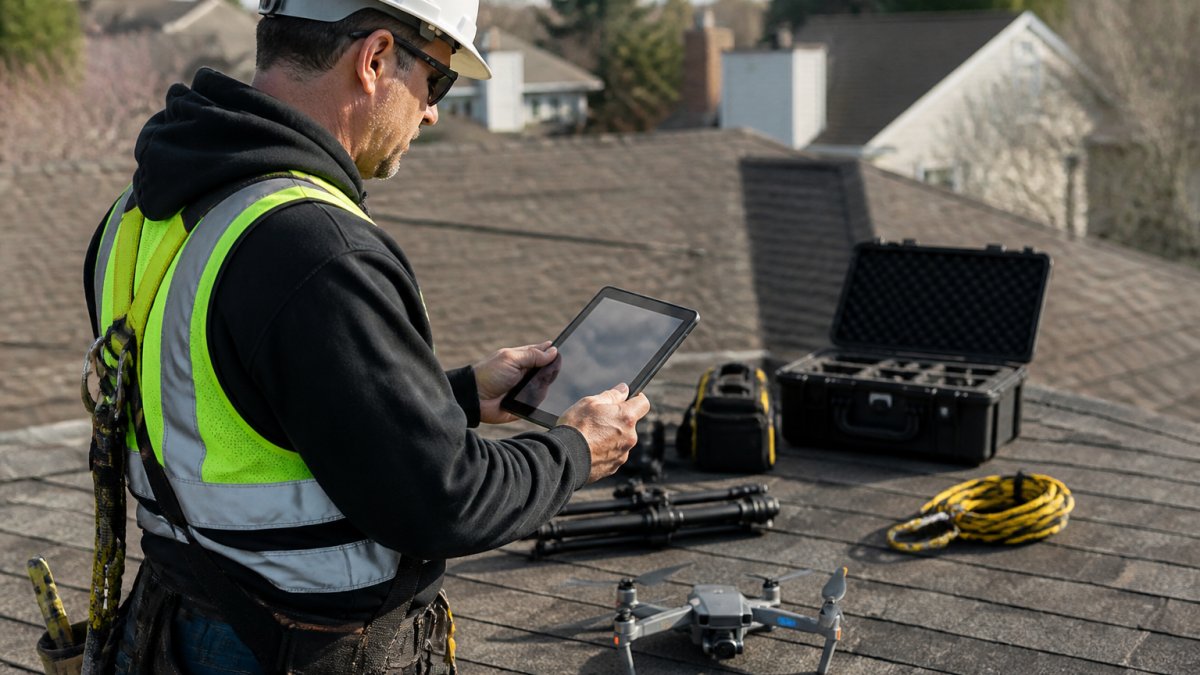
This checklist takes 15 minutes but prevents major headaches. Most disputes arise because one party assumed coverage existed when it didn't. Written clarity eliminates that risk.
Drone inspections offer speed and accuracy that ground-based methods can't match. But that value only matters if you're protected. Before you schedule your next roof inspection or property assessment with drone inspections fully insured, verify your operator's insurance, understand what's covered, and confirm your own liability protection is in place. According to FAA guidance on commercial drone operations, operators must maintain appropriate insurance and follow all regulations, but that responsibility starts with you asking the right questions.
Lake County Aerial Solutions delivers FAA Part 107 certified drone photography with full commercial insurance coverage. We provide certificates of insurance, detailed scope agreements, and transparent communication about what our coverage protects. Our team handles residential roof inspections, construction progress documentation, and commercial property assessments, all with the safety and liability protection your project requires. Request a free quote today to discuss your inspection needs and confirm coverage details before work begins.
Frequently Asked Questions
What does it mean when a drone operator says they're fully insured?
Fully insured means the operator carries general liability insurance and, typically, hull coverage for the drone itself. General liability covers third-party injury or property damage caused by the drone during operation. However, 'fully insured' is not a legal term, coverage limits, exclusions, and conditions vary. Always request a certificate of insurance to verify the specific coverage amounts and what is actually protected.
How can I verify a drone operator's insurance before booking a drone inspection?
Request a certificate of insurance directly from the operator before scheduling. The certificate should show the operator's name, insurance company, policy number, coverage limits, and expiration date. Verify the certificate with the insurance carrier if needed. Confirm the policy covers commercial drone operations and the specific work you need (roof inspection, property damage assessment, etc.). Never assume verbal claims of insurance without written proof.
Does FAA Part 107 certification include insurance coverage?
No. FAA Part 107 certification proves the pilot is trained and authorized to operate commercially, but it does not include or require insurance. Many Part 107 certified pilots carry no insurance at all. Insurance is a separate business requirement. A certified pilot with no insurance exposes you to significant liability. Always confirm insurance independently of FAA credentials.
Who is liable if a drone causes damage during an inspection?
Liability depends on the cause and your contract. If the operator's negligence or equipment failure causes damage, the operator's insurance should cover it. If you directed unsafe operations or failed to disclose hazards, you may share liability. Review your service agreement carefully, it should specify who assumes liability and under what conditions. If damage occurs, report it immediately to the operator and their insurance company.